
The Evolution of Crayon Suppliers: A Historical Perspective
Crayon manufacturing is a fascinating journey, marked by innovation, creativity, and sustainability. From their humble beginnings to becoming a staple in classrooms and homes worldwide, crayons have evolved significantly over the years. The history of crayons dates back to ancient times when primitive forms were created using natural pigments and wax. However, the modern crayon as we know it was popularized in the 19th century, thanks to the introduction of new materials and mass production techniques. Today, there are numerous crayon supplier that provide various types of crayons, including wax, plastic, fabric, and beeswax, catering to a growing demand for quality art supplies.
Understanding Crayon Types: Wax, Plastic, Fabric, and Beeswax
The variety of crayon types available in the market today allows artists and educators to choose products that best suit their needs. Wax crayons, for example, are often favored for their affordability and versatility. They are available in a vast range of colors, making them ideal for both educational and creative purposes. Plastic crayons, on the other hand, can be molded into various shapes, appealing particularly to younger children who enjoy engaging with playful designs.
Fabric crayons offer a unique twist, as they allow users to create permanent designs on fabric. These crayons are specially formulated to withstand washing without fading, making them perfect for projects on t-shirts, bags, and other materials. Lastly, beeswax crayons provide an environmentally friendly option, made from natural ingredients, ensuring that artists can create without compromising on safety and sustainability.
Manufacturing Processes: How Crayons are Made and Evolved
The crayon manufacturing process has seen substantial advancements over the years. Initially, crayons were hand-rolled and molded, but modern factories use automated machinery to ensure consistency and efficiency. The basic manufacturing steps include mixing pigments with wax, shaping the mixture into crayon form, and cooling it before packaging. Innovations in production have allowed suppliers to produce crayons in varied shapes and sizes, appealing to different audiences and educational contexts. Additionally, quality control measures have become increasingly stringent to meet safety standards and consumer expectations.
Identifying Quality: What to Look for in a Crayon Supplier
Choosing the right crayon supplier is crucial for both retailers and educational institutions looking to provide high-quality art supplies. It is essential to assess various factors to ensure you are making an informed decision.
Material Safety and Environmental Impact of Crayons
One of the foremost concerns when selecting a crayon supplier is the safety of the materials used. Parents and educators alike are becoming more conscious of the environmental impact of the products they choose. Suppliers who prioritize eco-friendly materials, like beeswax or non-toxic pigments, are increasingly favored. It's vital to inquire about the certification of materials and whether they meet relevant safety standards.
Understanding Minimum Order Quantities (MOQ) and Pricing
Understanding the MOQ is critical for anyone looking to purchase crayons in bulk. Different suppliers may have varying policies regarding order quantities, which can significantly impact your purchasing strategy. Additionally, consider the pricing structure and whether it aligns with your budget. The most cost-effective suppliers offer flexible MOQ options without sacrificing quality, making them ideal partners for both small businesses and educational organizations.
Customer Service and Support from Suppliers
Excellent customer service can make a substantial difference in your experience as a buyer. When evaluating suppliers, consider their responsiveness, willingness to answer questions, and the support they provide during the ordering process. Establishing a good relationship with your supplier can lead to better pricing, personalized service, and access to new products as they become available.
Current Trends in Crayon Usage and Demand
As educational needs evolve, so does the demand for crayon products. Teachers and parents are increasingly seeking out crayons that align with contemporary values and learning methodologies.
Educational Institutions' Shift Towards Eco-Friendly Products
Today, more schools are making a conscious effort to incorporate sustainable materials into their curricula. This shift is in response to both increasing environmental awareness and a desire to foster sustainability in children from a young age. Eco-friendly crayons, such as those made from beeswax or soy, are gaining popularity, allowing students to express their creativity while also caring for the planet.
The Rise of Custom Crayon Shapes and Packaging
Customization is another significant trend influencing crayon sales. Educational and promotional events often seek unique crayon shapes or personalized packaging to engage children effectively. Suppliers that can offer bespoke options, such as custom logos or colors, are often favored by marketers and educators aiming to create memorable experiences for users.
Popular Art Techniques Using Different Crayon Types
With a variety of crayon types available, various art techniques have emerged. Artists and educators alike are exploring new methods, such as melting crayons to create unique designs or utilizing fabric crayons for textile projects. Additionally, techniques like layering and blending with wax crayons have become popular, enabling users to create intricate artworks beyond simple coloring.
Maximizing Creativity in the Classroom with Crayons
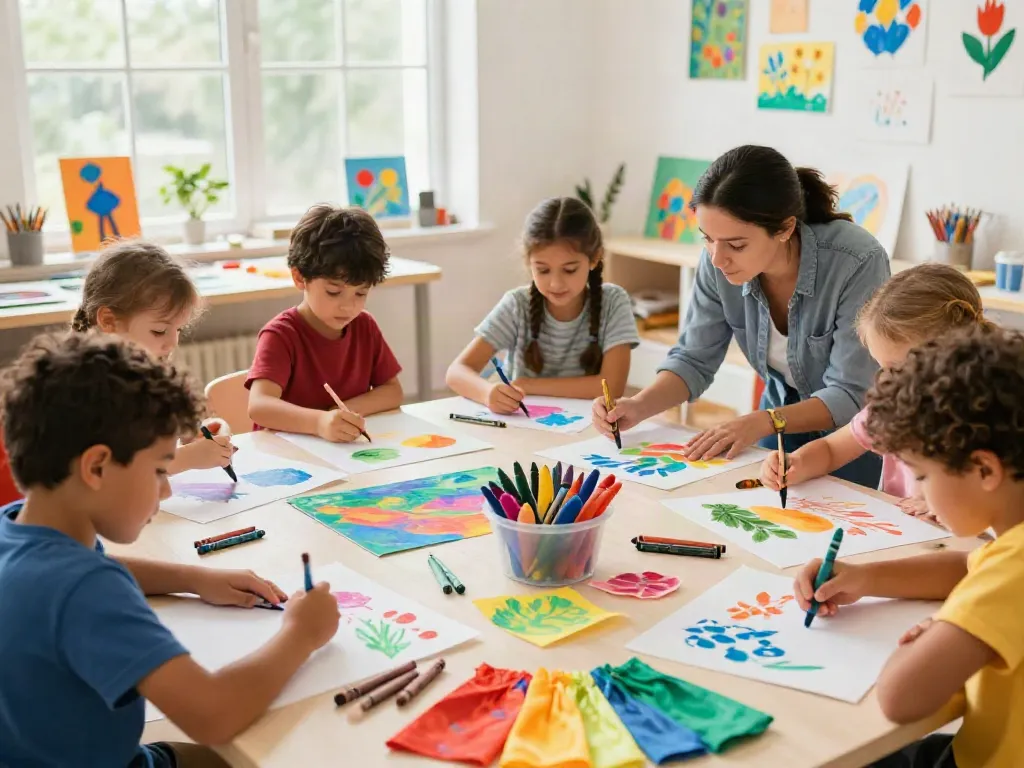
Crayons are invaluable tools in encouraging creativity among children. Teachers and parents can leverage these versatile tools to engage students in innovative projects across various subjects.
Innovative Art Projects for Children Using Crayons
Art projects can be transformed when using crayons as the primary medium. From crayon resist painting techniques that involve watercolor paints to creating textured art by melting crayons, the possibilities are endless. Teachers can encourage children to experiment with layering colors or creating textures by scratching designs into the crayon layer, fostering both creativity and fine motor skills.
Strategies for Incorporating Crayon Art in Curriculum
Incorporating crayon art into the curriculum can enhance lessons across subjects. For instance, a science project about animal habitats can be complemented with crayon illustrations, while historical events can be depicted through creative drawing. These hands-on activities promote engagement and retention of information, making learning more enjoyable for students.
Collaboration with Local Crayon Suppliers for Educational Programs
Building relationships with local crayon suppliers can provide schools with access to quality materials and support for creative programs. Collaborative initiatives might include workshops or art exhibitions that highlight student work. Such partnerships can enrich the educational experience and foster community engagement while also providing students with an opportunity to learn directly from industry professionals.
Future Predictions: What Lies Ahead for Crayon Suppliers
As the crayon market continues to evolve, suppliers must stay attuned to changing consumer preferences, sustainability concerns, and technological advancements.
The Impact of Sustainability on Purchasing Decisions
The future of crayon suppliers will heavily revolve around sustainability. Companies that prioritize eco-friendly practices and materials will lead the way as consumers increasingly demand responsible production methods. It will be essential for suppliers to innovate and adapt their offerings to meet these expectations.
Technological Innovations in Crayon Manufacturing
Technology is transforming how crayons are manufactured and marketed. Automation in production processes is likely to increase efficiency, while digital marketing strategies will enable suppliers to reach wider audiences. The integration of technology could also see the introduction of smart crayons that cater to interactive learning experiences for children.
Adapting to Market Demands in 2027 and Beyond
Finally, crayon suppliers must be agile in responding to ever-evolving market demands. This means not only offering new types of crayons that align with trends but also being attentive to customer feedback and market shifts. By staying ahead of the curve, suppliers can ensure that they remain relevant and continue to thrive in a competitive landscape.
What are the different types of crayons available?
There is a wide variety of crayons available, including wax, plastic, fabric, and beeswax crayons, each serving different purposes and audiences.
How can I find a reliable crayon supplier?
To find a reliable crayon supplier, consider factors such as material safety, customer reviews, and the supplier's ability to meet your specific needs and quantities.
What are the benefits of using eco-friendly crayons?
Eco-friendly crayons are safer for children and the environment, as they are made from natural materials and non-toxic pigments, promoting sustainable practices.
Can I customize crayons for special events?
Many suppliers offer customization options for crayons, allowing you to create unique designs and packaging for special events or promotions.
What should I consider when buying crayons in bulk?
When purchasing crayons in bulk, consider the quality, cost-effectiveness, minimum order quantities, and the supplier's reputation in the market.