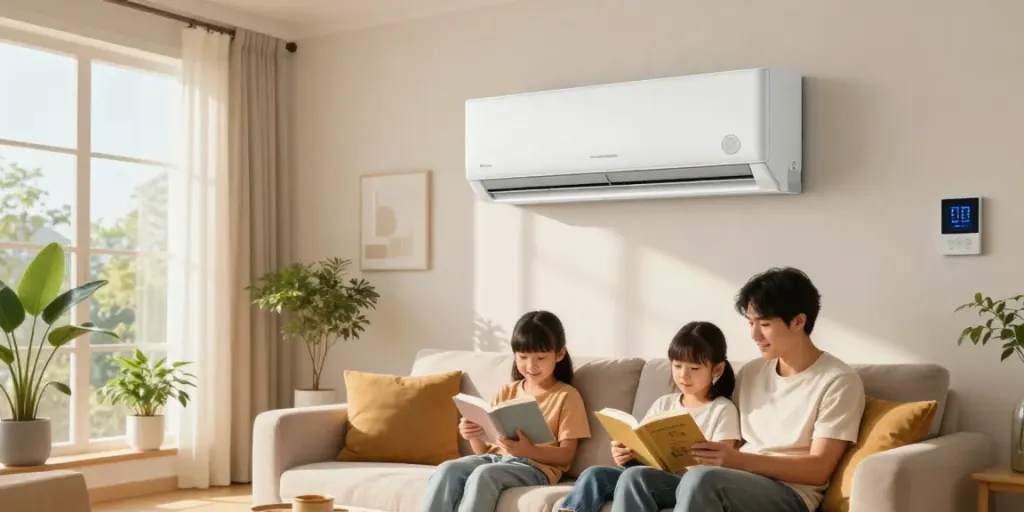
Understanding Mini Split AC Systems
The modern homeowner is increasingly seeking efficient and versatile cooling solutions, and the mini split ac system has emerged as a leading contender. These systems are designed to meet various climate control needs, providing both heating and cooling while eliminating the need for bulky ductwork. With a surge in demand for energy-efficient appliances, understanding how mini split systems work and their benefits can significantly enhance your home's comfort and energy savings.
What is a Mini Split AC System?
A mini split AC system, also known as a ductless mini-split system, consists of two main components: an outdoor compressor/condenser unit and one or more indoor air-handling units. This design allows for direct temperature control in different rooms without the need for ductwork, making it an ideal option for both new constructions and existing homes.
These systems operate using a refrigerant that transfers heat between the indoor and outdoor units. In the summer, the refrigerant absorbs heat from inside the home and releases it outside, cooling the indoor space. Conversely, during winter, the process can be reversed, providing efficient heating as well.
Key Components of a Mini Split System
- Outdoor Unit: This unit houses the compressor and condenser, which are crucial for heat exchange.
- Indoor Unit: Typically wall-mounted, these units blow cool or warm air into the living spaces.
- Refrigerant Lines: These lines connect the indoor and outdoor units and contain the refrigerant that circulates between them.
- Remote Control: Most mini split systems come with a remote that allows convenient temperature adjustments and settings.
Benefits of Using Mini Split AC Systems
Mini split systems offer numerous advantages, making them a popular choice for homeowners:
- Energy Efficiency: Mini splits are highly efficient, often rated with SEER (Seasonal Energy Efficiency Ratio) ratings above 20, which means lower energy bills.
- Zoning Capability: Individual indoor units enable personalized climate control in different rooms, enhancing comfort levels while conserving energy.
- Easy Installation: Without the need for extensive ductwork, installation is usually faster and less invasive.
- Reduced Noise: Mini splits operate quietly, often making them a better choice for bedrooms and other quiet areas.
Installation Process for Mini Split AC Systems
Installing a mini split system requires careful planning and execution to ensure optimal performance. Here’s how to approach the installation process effectively.
Preparing for Installation
Before installation, assess your home’s layout and determine the best locations for both the indoor and outdoor units. Consider factors such as:
- Accessibility for maintenance and repair
- Proximity to windows and doors to minimize refrigerant line lengths
- Room sizes to choose appropriately sized units
Step-by-Step Installation Guide
While it is advisable to hire a licensed HVAC professional for installation, understanding the process can help homeowners make informed decisions:
- Mount the Indoor Unit: Install the indoor unit bracket on the wall, ensuring it is level.
- Connect the Refrigerant Lines: Drill a hole through the wall to run the refrigerant lines, ensuring proper insulation.
- Install the Outdoor Unit: Place the outdoor unit on a firm foundation, following the manufacturer’s guidelines for clearances.
- Connect Power Supply: Ensure the electrical system is compatible, and connect the power supply safely.
- Test the System: Once everything is connected, power on the system to check for leaks and ensure it operates correctly.
Common Installation Mistakes to Avoid
Several common pitfalls can lead to poor performance and inefficiency:
- Incorrect Sizing: Installing a unit that is too small or too large for the space can cause inefficiencies.
- Poor Placement: Avoid placing units in areas obstructed by furniture or other items which can restrict airflow.
- Neglecting Insulation: Failing to adequately insulate refrigerant lines can lead to energy loss and reduced efficiency.
Operating Your Mini Split AC System Effectively
To maximize the performance of your mini split AC system, proper operation techniques are crucial. Below are key strategies for efficient use.
Optimal Temperature Settings
Setting an optimal temperature is essential for energy efficiency. The U.S. Department of Energy recommends setting your thermostat to around 78°F while cooling. For heating, setting it to a comfortable 68°F can also save energy.
Maintaining Energy Efficiency
To maintain energy efficiency, consider these tips:
- Use Energy-Saving Modes: Many modern mini splits have eco modes that automatically adjust settings for optimal performance.
- Regularly Clean Filters: Clogged filters decrease efficiency. Clean them monthly and replace them if necessary.
- Utilize Zoning Features: Only cool or heat rooms in use, which can significantly reduce energy consumption.
Remote Control Features and Usage
Most mini split systems come equipped with remote controls, offering features such as:
- Temperature Adjustment: Easily adjust the temperature from anywhere in the room.
- Timer Settings: Use timers to ensure the system operates only when needed.
- Fan Speed Control: Adjusting fan speeds can enhance comfort based on personal preference.
Maintenance Tips for Mini Split AC Systems
Regular maintenance is essential to prolong the lifespan of your mini split system and keep it running efficiently. Here are some tips to follow.
Seasonal Maintenance Checklist
- Inspect and clean filters every month.
- Check the outdoor unit for debris, such as leaves or dirt.
- Inspect refrigerant lines and electrical connections at the start of each season.
- Schedule professional servicing at least once a year for comprehensive maintenance.
Signs Your Mini Split Needs Professional Servicing
Be alert for the following indicators that your unit may require professional attention:
- Strange noises or vibrations
- Inconsistent temperatures across rooms
- Increased energy bills without changes in usage
- Foul odors emanating from the unit
DIY Maintenance Tips
A few DIY maintenance tasks can help keep your mini split in top shape:
- Clean the filters regularly with mild soap and water.
- Clear any obstructions around the outdoor unit to improve airflow.
- Check the condensate drain for clogs and clear them as necessary.
Future Trends in Mini Split AC Technology
As technology advances, the mini split AC system continues to evolve. Here are some trends to watch for in 2026.
Innovations to Look for in 2026
Look out for new features such as:
- Enhanced Energy Efficiency: Brands are focusing on air conditioning systems that are even more energy-efficient, potentially achieving SEER ratings of over 30.
- Improved Filtration Systems: New filtration technologies will help remove more allergens and pollutants from indoor air.
- Increased Capacity Options: Mini splits with larger capacities will be developed to accommodate bigger residential spaces.
Smart Home Integration and Mini Splits
As smart home technology grows, mini split systems are increasingly compatible with home automation systems:
- Voice Control: Systems will support voice commands through platforms like Google Assistant and Amazon Alexa.
- Mobile App Control: Many will feature apps allowing users to control their mini splits remotely for convenience.
- Integration with Smart Home Thermostats: Improved compatibility will lead to even better energy management.
Environmental Impact and Sustainability Considerations
With a growing emphasis on sustainability, manufacturers are focusing on reducing the environmental impact of mini split systems:
- Eco-Friendly Refrigerants: Greater use of refrigerants with less global warming potential (GWP) will become common.
- Energy Star Certification: More models will meet stringent Energy Star guidelines, promoting energy efficiency.
- Recyclable Components: Manufacturers are exploring materials and designs that facilitate recycling at the end of a unit’s life.
FAQs About Mini Split AC Systems
What are the downsides of a mini split AC system?
While mini split systems offer many advantages, they also have some drawbacks, including higher upfront costs compared to traditional systems and potential aesthetic concerns due to visible indoor units.
What is the typical cost of installing a mini split system?
The installation cost of a mini split system can range from $2,000 to $14,000, depending on the number of indoor units, system size, and installation complexity.
How do I choose the right mini split AC system for my home?
Consider the size of the space, the number of rooms you wish to cool or heat, and your budget. Consulting with an HVAC professional can help ensure the right choice based on your specific needs.
Can a mini split AC system be used for heating as well?
Yes, mini split systems can effectively provide both heating and cooling, making them versatile options for year-round climate control.
What maintenance is required for mini split systems?
Regular cleaning of filters, checking refrigerant levels, inspecting electrical connections, and seasonal professional servicing are essential for maintaining a mini split system.