Understanding Automatic Bagging Machines
Automatic bagging machines are essential tools in modern packaging operations, designed to enhance efficiency and reduce the risk of human error during the packing process. These machines automate the critical stages of bagging, including bag formation, filling, and sealing, which serves a multitude of industries. From food and pharmaceuticals to consumer goods, the implementation of automatic bagging has brought significant improvements to productivity levels and operational accuracy. As businesses strive for higher output and lower costs, understanding the capabilities of automatic bagging machine manufacturers is crucial for making informed purchasing decisions.
What are Automatic Bagging Machines?
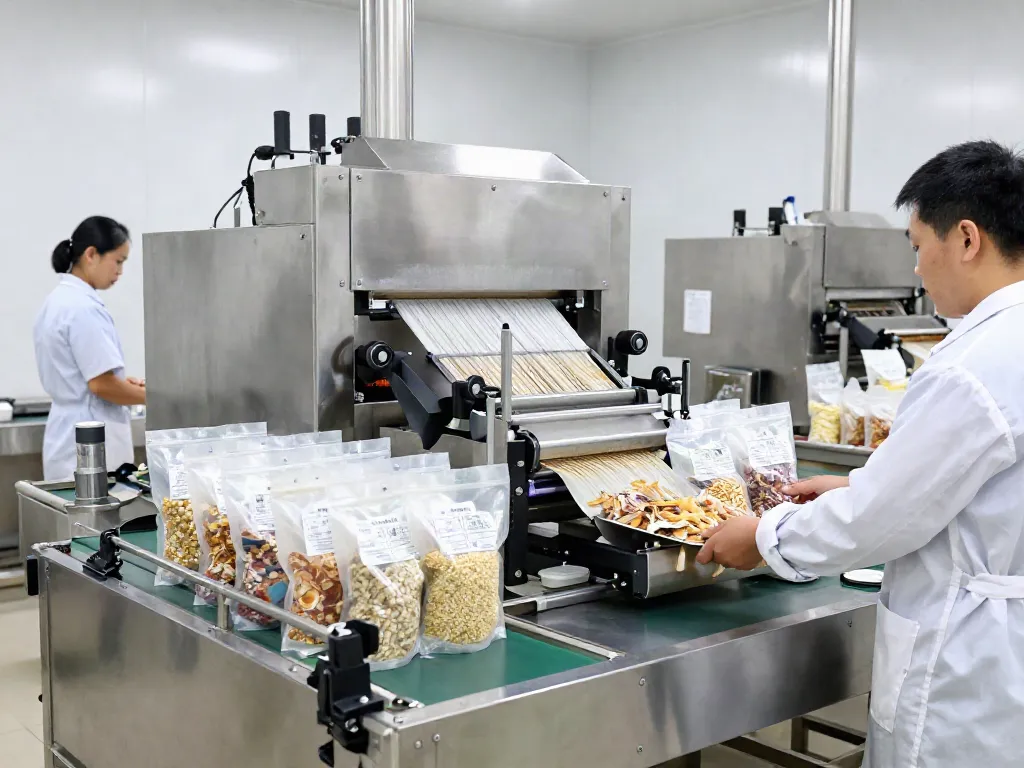
Automatic bagging machines streamline the packaging process by utilizing advanced technologies to create, fill, and seal bags without human intervention. These systems can handle various bag types, including open-mouth, pillow, and gusseted bags, making them versatile for different products. Automatic bagging machines are equipped with sensors and software that enable precise measurement and placement, ensuring consistent fill levels and quality seals.
Key Features of Leading Manufacturers
When evaluating automatic bagging machines, it is essential to consider features that enhance their performance and reliability. Key aspects to look for include:
- Speed and Efficiency: The best machines can pack products at high speeds while maintaining accuracy, significantly reducing labor costs and increasing throughput.
- Flexibility: A versatile machine can easily switch between bag sizes and types, allowing manufacturers to adapt to varying production needs.
- User-Friendly Interfaces: An intuitive control panel makes it easier for operators to manage the system and adjust settings with minimal training.
- Durability and Maintenance: Machines constructed with high-quality materials require less frequent maintenance, which is critical for continuous operation.
Benefits of Automation in Packaging
The shift towards automation in packaging presents numerous benefits for manufacturers, including:
- Reduced Labor Costs: By minimizing the need for manual labor in the packaging process, companies can save significantly on labor costs.
- Decreased Packaging Errors: Automatic machines ensure consistent fill weights and accurate seals, leading to fewer product returns and improved customer satisfaction.
- Increased Productivity: With machines capable of running 24/7, production rates can be significantly increased, allowing businesses to meet customer demands more efficiently.
Industry Applications of Automatic Bagging Machines
Automatic bagging machines serve a wide range of industries, each with specific packaging requirements that the machines must meet. Understanding the applications in various sectors can help businesses identify suitable solutions for their needs.
Food Processing and Packaging
In the food industry, maintaining hygiene and product integrity is paramount. Automatic bagging machines designed for food handling typically feature stainless steel construction and comply with food safety standards. They can efficiently package dry goods like grains, snacks, and vegetables, as well as liquids and powders such as sauces and seasonings.
Pharmaceutical Uses
Pharmaceutical manufacturers require precision and compliance with strict regulations. Automatic bagging machines in this sector are designed to handle sensitive products while ensuring that dosing and packaging standards are upheld. These machines can package everything from bulk medications to single-dose units, providing reliability in product safety and effectiveness.
Consumer Goods and Retail
In the consumer goods sector, automatic bagging machines are frequently used to package items such as personal care products, household goods, and pet supplies. The ability to customize bag sizes and designs helps brands differentiate their products on the shelves while ensuring efficient packing processes.
Choosing the Right Manufacturer
Finding a manufacturer that aligns with your operational needs is vital when investing in an automatic bagging machine. Here are key considerations to keep in mind:
Evaluating Manufacturer Credentials
Before selecting a manufacturer, assess their credentials, including years of experience, customer reviews, and industry certifications. A reputable manufacturer should provide evidence of meeting quality standards and have a proven track record of successful installations.
Assessing Machine Specifications
Understand the specific requirements of your production line and compare them with the technical specifications of the machines offered by different manufacturers. Look for features that accommodate your product types, volume, and packaging requirements.
Customer Support and Service Considerations
Reliable customer support can significantly impact your operational efficiency. Ensure that the manufacturer provides comprehensive training, easy access to technical support, and a clear maintenance plan for their machines. Good post-sale support can prolong the life of your equipment and minimize downtime.
Challenges in Automatic Bagging Solutions
While automatic bagging machines offer numerous advantages, there are challenges that manufacturers must navigate when integrating these systems into their production lines.
Common Misconceptions about Automation
One major misconception is that automation leads to job losses. However, automation often changes the nature of jobs rather than eliminating them. Employees can focus on higher-level tasks while machines handle repetitive processes, leading to greater job satisfaction and workforce efficiency.
Addressing Maintenance and Downtime
Scheduled maintenance is crucial to ensuring the efficiency and longevity of automatic bagging machines. Manufacturers must establish maintenance protocols and invest in training staff to troubleshoot minor issues before they lead to significant downtime.
Quality Control and Performance Metrics
Establishing clear quality control measures is essential for maintaining packaging integrity. Performance metrics should be defined to regularly evaluate machine efficiency, product quality, and operational costs to ensure that the packaging process remains effective.
Future Trends in Automatic Bagging Machines for 2026
The packaging industry is continually evolving, and staying informed about emerging trends is critical for manufacturers. Here are some anticipated developments in the automatic bagging sector:
Emerging Technologies in Packaging Automation
As technology advances, we expect to see even smarter packaging machines that utilize artificial intelligence and machine learning for predictive maintenance and enhanced efficiency. These technologies can analyze operational data to optimize machine performance and reduce waste.
Sustainability and Eco-Friendly Practices
With growing concerns over environmental impact, manufacturers are increasingly focusing on sustainable practices. This includes using biodegradable materials for packaging and designing machines that consume less energy while maintaining high output levels.
Predicted Market Growth and Innovations
The global market for automatic bagging machines is projected to grow significantly by 2026, driven by the demand for efficient and sustainable packaging solutions. Innovations such as modular designs and smart connectivity will further enhance machine capabilities and flexibility in production environments.
What are the best automated bagging systems?
Identifying the best automated bagging systems involves understanding the specific needs of your business and comparing the features offered by different manufacturers. Factors such as speed, reliability, and the ability to handle various product types will guide your decision-making process.
Who are some leading manufacturers of packaging equipment?
Leading manufacturers of packaging equipment include companies known for their advanced technologies, reliable customer support, and extensive industry experience. Evaluating these brands against your own operational needs can help in selecting the right partner.
What are the benefits of using automatic bagging machines?
The benefits of using automatic bagging machines include increased productivity, reduced labor costs, consistent product quality, and a significant decrease in packaging errors. These machines help streamline operations in a cost-effective manner.
How can businesses choose the right bagging machine?
To choose the right bagging machine, businesses should first analyze their packaging needs, evaluate machine specifications, and consider the support services provided by manufacturers. A thorough assessment ensures an informed decision that aligns with production goals.
What upcoming trends should manufacturers watch for in 2026?
In 2026, manufacturers should watch for trends focused on automation advancements, sustainability in packaging materials, and innovations that enhance machine versatility. Staying ahead of industry trends will be key to maintaining competitive advantages in the marketplace.