Understanding the AI Data Center Landscape
In today’s rapidly evolving technological landscape, AI data centers play a pivotal role in the deployment and operation of artificial intelligence systems. These specialized facilities are designed to harness large-scale computing power necessary for AI applications, encompassing everything from machine learning to data processing. As organizations increasingly integrate AI into their operations, understanding the dynamics of AI data centers becomes crucial for stakeholders. When exploring options, AI data center provide comprehensive insights into managing complex workloads efficiently.
What Defines an AI Data Center?
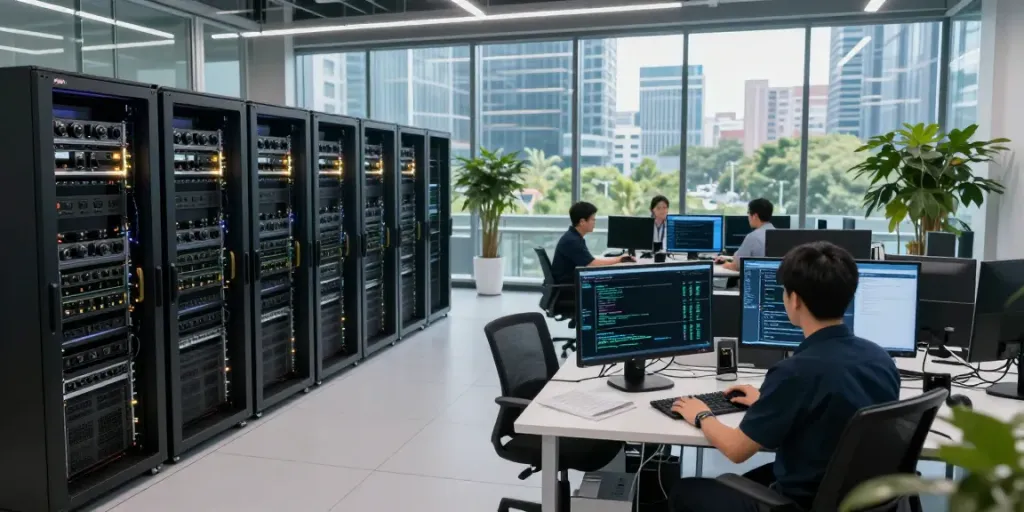
AI data centers are facilities specifically developed to support the intense computational demands of AI technologies. Unlike traditional data centers, which typically rely on conventional IT infrastructures, AI data centers deploy high-performance computing (HPC) resources, such as Graphics Processing Units (GPUs) and Tensor Processing Units (TPUs). These components are essential for processing vast amounts of data and executing complex algorithms that power machine learning models.
Critical features of AI data centers include:
- High-density computing: Leveraging powerful GPUs to perform multiple calculations simultaneously.
- Optimized cooling systems: Managing heat generated by high-performance hardware to maintain operational efficiency.
- Scalable infrastructure: Ensuring resources can expand to accommodate varying workloads.
Key Technologies Driving AI Data Centers
The backbone of any AI data center is its technology stack. Key technologies include:
- Machine Learning Frameworks: Tools such as TensorFlow and PyTorch assist developers in creating and training AI models.
- Distributed Computing: Techniques like edge computing enable processing closer to data sources, reducing latency.
- Advanced Networking: High-speed interconnects ensure seamless data movement between compute nodes.
Comparing AI Data Centers to Traditional Data Centers
The evolution from traditional data centers to AI data centers marks a significant shift in how we approach computational tasks. Traditional data centers mainly focus on running enterprise applications and are optimized for general computing tasks. In contrast, AI data centers are tailored for specific AI workloads, which demand not only more computational power but also a different type of architecture that can efficiently handle large data sets and complex calculations.
Some notable differences include:
- Workload Management: AI data centers are designed to handle parallel processing, while traditional centers often operate sequentially.
- Resource Allocation: AI centers dynamically allocate resources based on real-time demands, enhancing performance and efficiency.
- Energy Efficiency: AI data centers utilize advanced cooling and energy management systems to reduce operational costs associated with high energy consumption.
The Importance of Power in AI Infrastructure
Power consumption is a critical element in the efficiency and effectiveness of AI infrastructures. As AI workloads scale, the demand for reliable and sustainable power solutions increases significantly. This growing reliance on power highlights the need for innovative energy solutions that can support large-scale AI operations while minimizing environmental impact.
How Power Consumption Affects AI Performance
The performance of AI models is directly tied to the efficiency of the underlying power infrastructure. Inefficient power systems can lead to bottlenecks, resulting in slower processing times and increased operational costs. Organizations must ensure that their power supply is both reliable and scalable to adapt to changing AI workloads.
Key aspects include:
- Load Balancing: Distributing power evenly across computing resources to prevent overheating and maximize uptime.
- Energy Source Diversity: Utilizing renewable energy sources to reduce overall carbon footprint and ensure long-term sustainability.
Exploring Efficient Power Solutions for AI Data Centers
As the need for energy-efficient solutions grows, several innovative approaches are being adopted by AI data centers:
- Carbon Management Strategies: Implementing systems that track and offset carbon emissions, ensuring compliance with environmental regulations.
- Power Usage Effectiveness (PUE): Monitoring the ratio of total building energy use to the energy used by IT equipment, aiming for a lower PUE for better efficiency.
Measuring Power Allocation for AI Workloads
Accurate measurement of power allocation is vital for optimizing AI workloads. By analyzing power consumption patterns, organizations can make informed decisions regarding resource allocation and performance tuning.
Strategies for effective measurement include:
- Real-time Monitoring Tools: Utilizing software solutions that provide insights into power usage metrics.
- Predictive Analytics: Employing machine learning algorithms to forecast energy consumption based on historical data and anticipated workloads.
Participation in the AI Token Economy
As AI technologies continue to proliferate, the AI token economy emerges as a compelling model for incentivizing collaboration and innovation within the sector. Through tokenization, participants can contribute to and benefit from AI infrastructure in ways that were previously unimaginable.
Understanding Token-Metered AI Services
Token-metered AI services operate on a decentralized model where computational power is accounted for through a token system. Each AI task is broken down into input tokens and processed to produce output tokens, effectively measuring AI model usage.
This system seeks to create a more efficient allocation of resources while ensuring transparency in usage tracking, allowing participants to see the direct impact of their contributions to the AI ecosystem.
Your Contribution to AI Infrastructure
By participating in the AI token economy, individuals and organizations can support AI infrastructure without the need for extensive hardware investments. This participation can take various forms, from providing power support to sharing computational resources, and is tracked through the token system mentioned earlier.
Calculating Rewards from Power Support
Rewards in the AI token economy are calculated based on the power contribution each participant makes to support AI workloads. This contribution is tracked over defined settlement periods, ensuring transparency and fairness.
Factors influencing reward calculations include:
- Power Contribution: The amount of electricity and GPU resources provided by the participant.
- Operational Performance: The effectiveness of the AI workloads processed during the contribution period.
Building Scalable AI Data Center Operations
Scalability is paramount for AI data centers, allowing them to adapt quickly to the rapidly changing demands of AI workloads. Implementing strategies for effective resource allocation is essential for maintaining operational efficiency.
Strategies for Effective Resource Allocation
Effective resource allocation can be achieved through various strategies, including:
- Dynamic Scaling: Automatically adjusting resource levels based on real-time workload demands.
- Workload Optimization: Utilizing machine learning to predict peak usage times and allocate resources accordingly.
Utilizing Intelligent Coordination for Optimal Performance
Intelligent coordination of resources can enhance the performance of AI data centers significantly. This involves the integration of advanced technologies such as artificial intelligence and machine learning algorithms that can optimize workloads and energy use.
Future-Proofing Your AI Infrastructure
As AI technology evolves, so must the infrastructure that supports it. Future-proofing involves adopting flexible and adaptive systems that can easily integrate advancements in technology and adapt to new AI models.
Considerations for future-proofing include:
- Regular Upgrades: Keeping hardware and software up-to-date to support emerging AI technologies.
- Continuous Training: Ensuring that technical personnel are equipped with the latest skills and knowledge to optimize infrastructure performance.
Frequently Asked Questions
What is the role of electricity in AI data centers?
Electricity is fundamental to the operation of AI data centers, powering the GPUs and other hardware required to process AI workloads. The efficiency and reliability of power sources directly impact AI performance and operational costs.
How can individuals participate in the AI Token Economy?
Individuals can engage in the AI token economy by supporting power resources, contributing to AI infrastructure, or investing in tokenized AI services, enabling them to earn rewards based on their contributions.
What are the benefits of scalable AI data centers?
Scalable AI data centers offer flexibility, allowing organizations to respond to fluctuating demand, thereby optimizing resource allocation and minimizing costs. This adaptability is crucial for maintaining efficiency in a competitive landscape.
How do AI data centers differ by region?
Regional differences in AI data centers can stem from local power availability, regulatory frameworks, and technological advancements, which can influence infrastructure design and operational efficiency
What is the future of AI data centers in 2026?
By 2026, we can expect AI data centers to become increasingly integrated with renewable energy sources, enhancing sustainability efforts. The focus will shift towards more intelligent, adaptive systems capable of meeting the growing demands of AI applications worldwide.